
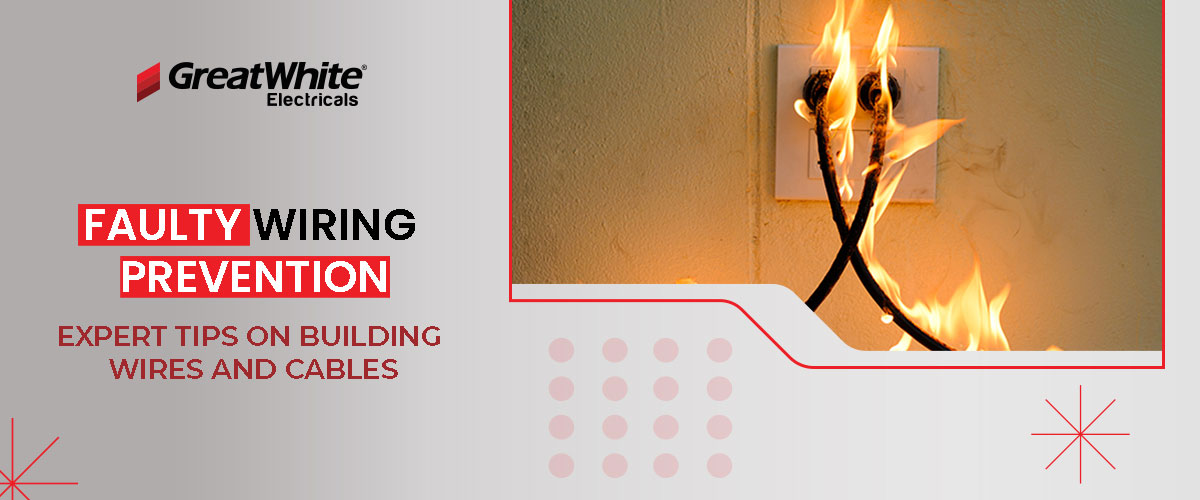
Electrical Safety 101: Protecting Your Home From Faulty Wiring
When it comes to designing or renovating a home, electrical safety is the invisible backbone of every project. Whether you’re an electrician, an interior designer guiding clients through choices or an architect planning layouts, understanding how to protect a home from faulty wiring is essential. For consumers, this knowledge empowers safer decisions and prevents costly hazards. Faulty wiring isn’t just inconvenient; it can lead to fires, shocks and long-term damage to appliances. This guide walks you through practical steps to ensure electrical safety is never compromised, with a focus on choosing the right building wires.Step 1: Start With a Professional Electrical Assessment
- Hire certified electricians to inspect existing wiring before any renovation or installation.
- Look for signs of wear such as frayed wires, burn marks or outdated aluminum wiring.
- For architects and designers, integrating electrical assessments early in the planning phase ensures safety is built into the design rather than retrofitted later.
Step 2: Choose the Right Building Wires and Cables
- Copper building wires remain the industry standard due to their durability and conductivity.
- Avoid low-quality or counterfeit wires and cables that may not meet safety codes.
- Interior designers should collaborate with electricians to ensure wiring choices align with both safety and aesthetic needs (e.g., concealed wiring for sleek interiors).
- Architects should specify wires and cables that comply with local building codes and can handle modern electrical loads.
Step 3: Install Circuit Protection Devices
- Circuit Protection Devices are non‑negotiable safety features.
- MCBs protect circuits from overloads and short circuits, while RCCBs prevent electrocution by cutting off power during current leakage.
- For professionals, recommending these devices to clients adds credibility and ensures compliance with modern electrical safety standards.
Step 4: Plan for Load Management
- Overloaded circuits are a common cause of electrical fires.
- Map out the home’s electrical needs; kitchen appliances, HVAC systems, entertainment units and distribute them across circuits.
- Architects should design layouts with dedicated circuits for high-load areas, while electricians ensure proper installation.
- Consumers should avoid plugging too many devices into a single outlet.
Step 5: Regular Maintenance and Testing
- Schedule annual inspections to catch issues before they escalate.
- Test MCBs monthly to confirm they trip correctly.
- Interior designers can remind clients about maintenance during project handovers, reinforcing their role as trusted advisors.
- Consumers should be educated on simple checks, like noticing flickering lights or warm outlets.
Step 6: Educate and Empower Homeowners
- Provide homeowners with a basic safety checklist:
- Don’t run wires under carpets.
- Replace damaged cords immediately.
- Keep water away from electrical outlets.
- Interior designers and architects can include safety tips in project documentation, ensuring clients understand their role in maintaining safety.
- Electricians should explain how to safely reset breakers or identify warning signs.
Electrical safety is not just a technical requirement. It’s a shared responsibility across electricians, designers, architects and homeowners. By prioritizing professional assessments, choosing quality building wires and cables, installing protective devices, managing loads and educating clients, you create homes that are not only beautiful but also safe. Faulty wiring may be invisible, but its consequences are all too real. Protecting against it ensures that every switch flipped and every appliance powered is backed by confidence and security.